

Scroll to learn more
About Ulcerative Colitis
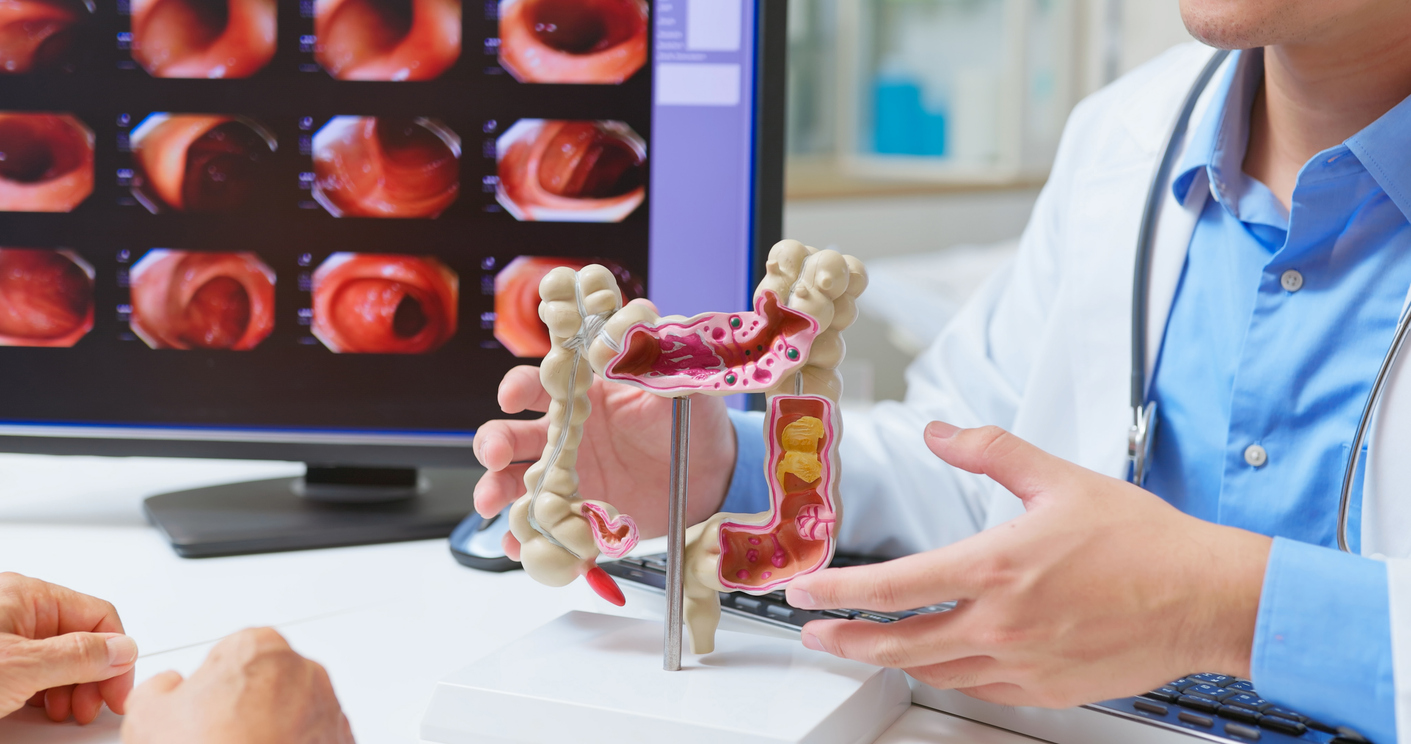
Recognizing Symptoms of Ulcerative Colitis
The first step in identifying ulcerative colitis is the symptoms that you may be experiencing. Some of the most common symptoms include:
- Urgent bowel movements
- Loose bowel movements
- Blood in your stool
- Abdominal pain and/or cramping
- Persistent diarrhea with blood in your stool or abdominal pain
Ulcerative colitis symptoms likely come and go. The condition typically involves “flares” that involve periods where symptoms become present and impact daily life. These periods are then followed by “remission,” which is the phase after a flare up that involves few or no symptoms or discomfort.
It is important to contact a healthcare provider if you have any of the following symptoms listed above as there are a variety of options available for managing ulcerative colitis.2
Frequently Asked Questions About Ulcerative Colitis
What is ulcerative colitis?
Ulcerative colitis is a form of inflammatory bowel disease that is a lifelong condition. It causes inflammation in the colon, along with ulcers. Often, it is accompanied by bloody stool and abdominal cramping. People with ulcerative colitis typically experience flare-ups, which are periods of symptoms, and longer periods of remission, which are less or non-symptomatic periods.4
What causes ulcerative colitis?
The cause of ulcerative colitis has not directly been identified, however, there are several factors thought to play a role in developing this condition. Some of these factors include:
- Abnormal immune response
- Genetics
- Microbiome (the community of tiny living things, like bacteria, that live in and on your body)
- Environmental factors
Some researchers suggest that ulcerative colitis is triggered by having a virus or bacterial infection in the colon and your body’s natural immune response to this infection. Normally, your immune system causes short-term inflammation to fight infection and then shuts it down once you’re healthy. In ulcerative colitis patients, however, the immune system causes ongoing inflammation in the intestinal lining, which can lead to ulcers and other symptoms.
How is ulcerative colitis diagnosed?
The journey towards receiving an ulcerative colitis diagnosis can be very overwhelming as the process involves many steps. However, staying educated and prepared can make the process smoother.
Ulcerative colitis diagnoses are based on medical history, physical examinations, and a series of different medical tests. The general process is outlined below:
- Your healthcare provider will most likely recommend that you have lab tests done that investigate your blood and fecal matter.
- A stool specimen will be analyzed to eliminate the possibility that your symptoms are caused by another condition, such as bacteria, a virus, or parasite.
- Blood tests will be conducted to look for signs of inflammation or anemia, which could be related to bleeding in your colon or rectum.
- Further testing beyond these labs tests may include x-rays or other imaging tests to look at your gastrointestinal tract.
- Endoscopy with biopsies may also be used to physically look into your intestinal tract for signs of disease in your colon and/or rectum.
Diagnosis can be a long and stressful process. It is recommended that you bring a trusted family member or friend to support you through this process. This may help ease any stress and allow you to better understand the information that your healthcare provider shares with you.4
Who gets ulcerative colitis?
Anyone can be diagnosed with ulcerative colitis; however, most people are diagnosed before the age of 30. Men and women are at equal risk of developing ulcerative colitis. If you have a first-degree relative with ulcerative colitis, the risk of developing it yourself is higher.1
What foods should I avoid if I have ulcerative colitis?
Diet and nutrition are a key part of managing ulcerative colitis symptoms. While ulcerative colitis is not caused by the foods you eat, certain foods can aggravate the symptoms. It is essential to maintain a healthy diet because patients with ulcerative colitis commonly experience reduced appetite and inflammation increases your body’s energy needs. Additionally, diarrhea is a common symptom that reduces the body’s ability to absorb nutrients. Therefore, to ensure your body gets the energy it needs, your diet should include nutrient-dense foods.2
Is ulcerative colitis the same as Crohn’s disease?
While ulcerative colitis and Crohn’s disease are similar in their symptomatic presentation, they each impact different areas of the gastrointestinal tract and in different ways. Crohn’s disease can affect any part of the gastrointestinal tract, anywhere from your mouth to your anus. Additionally, it can impact all layers of the bowel wall including the deeper layers. Ulcerative colitis only impacts the colon and rectum and is generally limited to the inner lining of the bowel.1
Can ulcerative colitis lead to colon cancer?
Patients who have ulcerative colitis are at increased of developing colon cancer, so it is important to be vigilant about screening. Follow these key tips to ensure that you are staying up to date on minimizing your risk of colon cancer and/or catching it early:
- Patients that have had ulcerative colitis symptoms for 8+ years should get a colonoscopy every one to two years. Regular colonoscopies can find cancer early, making it easier to treat.
- Make sure that you work diligently with your healthcare provider to manage your ulcerative colitis symptoms so that the colon does not endure extended stress.
- See your gastroenterologist at least once per year
- Ensure that you take your prescribed medications consistently
- Notify a healthcare provider if a family member develops colorectal cancer
- Exercise daily and eat a healthy diet
Can ulcerative colitis be cured?
Ulcerative colitis is not a curable condition. The only way to manage it is through treatment, and approximately 70% of patients respond to medication. Common treatments are anti-inflammatory medications. Additionally, surgery is an alternative treatment method for patients who did not respond well to medication treatment. A colectomy, removing part or all of the colon, is a procedure that can be done to potentially cure the condition. In most cases, the entire colon is removed.5
Are there any new treatments for ulcerative colitis?
Researchers are continuously investigating potential new and more effective treatments. For guidance on the best treatment options for you—and to determine if you may qualify for a clinical trial—please speak with your healthcare provider.
Sources:
1Mayo Clinic. (n.d.). Ulcerative colitis: Symptoms & causes. Mayo Clinic. https://www.mayoclinic.org/diseases-conditions/ulcerative-colitis/symptoms-causes/syc-20353326
2Crohn’s & Colitis Foundation. (n.d.). What is ulcerative colitis? Crohn’s & Colitis Foundation. https://www.crohnscolitisfoundation.org/patientsandcaregivers/what-is-ulcerative-colitis/symptoms
3AbbVie Inc. (n.d.). Other specialties. AbbVie. https://www.abbvie.com/science/areas-of-focus/other-specialties.html
4Cleveland Clinic. (n.d.). Ulcerative colitis. Cleveland Clinic. https://my.clevelandclinic.org/health/diseases/10351-ulcerative-colitis
5Johns Hopkins Medicine. (n.d.). Ulcerative colitis treatment. Johns Hopkins Medicine. https://www.hopkinsmedicine.org/health/treatment-tests-and-therapies/ulcerative-colitis-treatment