
Scroll to learn more
About Breast Reconstruction
Getting Breast Reconstruction Surgery
Between 1 in 12 and 1 in 27 women are diagnosed with breast cancer at some point during their lives, depending on where you live.9 Your individual risk may also differ based on your age, race and/or ethnicity, family history and genetics and other factors such as hormonal history, exposure to radiation and tobacco and alcohol use.7 9 Surgery, which may involve the whole or partial removal of breast tissue, attempts to remove cancerous cells to prevent further spread. In some cases, your provider may recommend surgery because you are at known risk of developing breast cancer (for example, if you are a carrier of the BRCA2 gene).
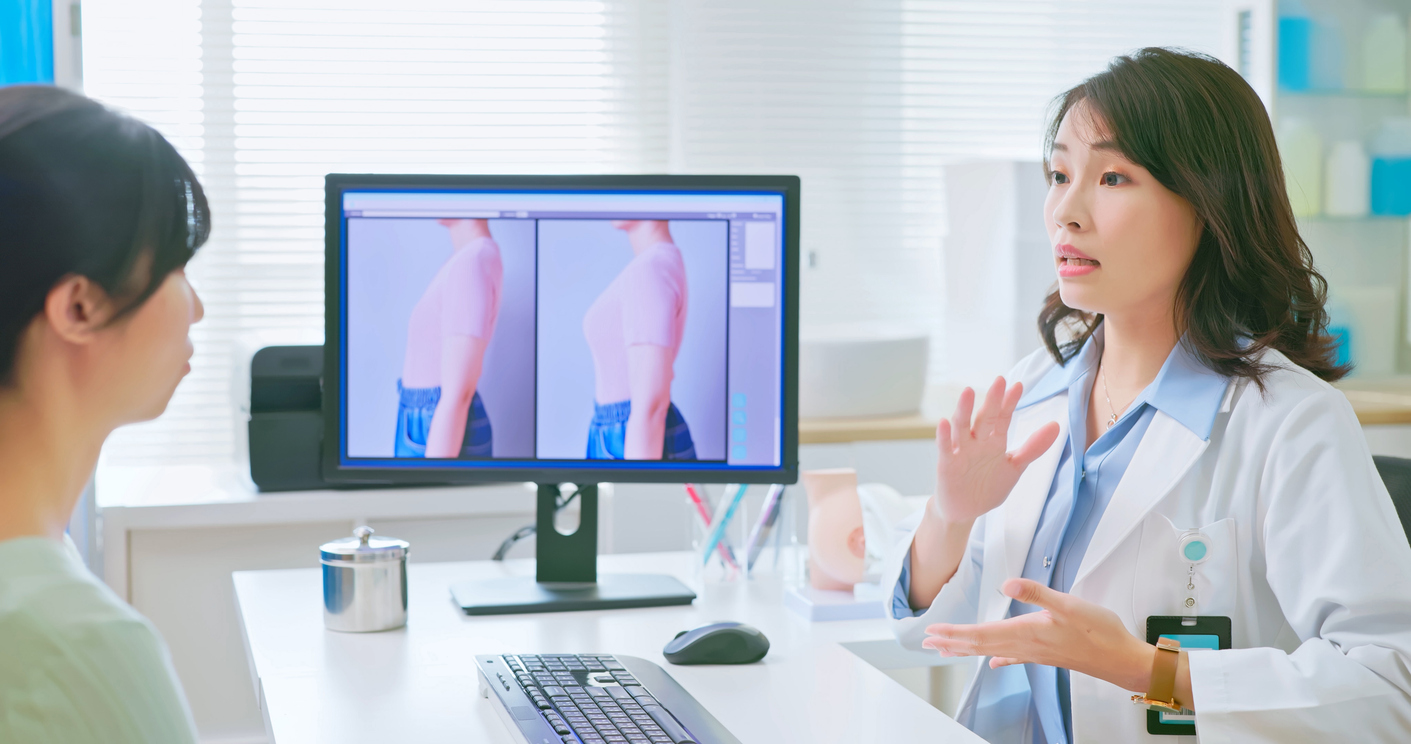
If your care team recommends full or partial breast removal, they may talk with you about your options for breast reconstruction. Some people receive an “immediate reconstruction,” in which breast reconstruction begins immediately following a mastectomy. Others receive a “delayed reconstruction,” in which the procedure can be weeks to years after mastectomy.1 If the mastectomy only affected one breast, you may also have surgery done on the opposite breast to better match their shape and size.4
Breast reconstruction is an optional procedure, and not everyone decides to have it. If you’re interested in breast reconstruction after surgery, you can talk with your provider about what options are available to you and what you can expect during the procedure and what the healing process typically involves.
Frequently Asked Questions About Breast Reconstruction
What is breast reconstruction?
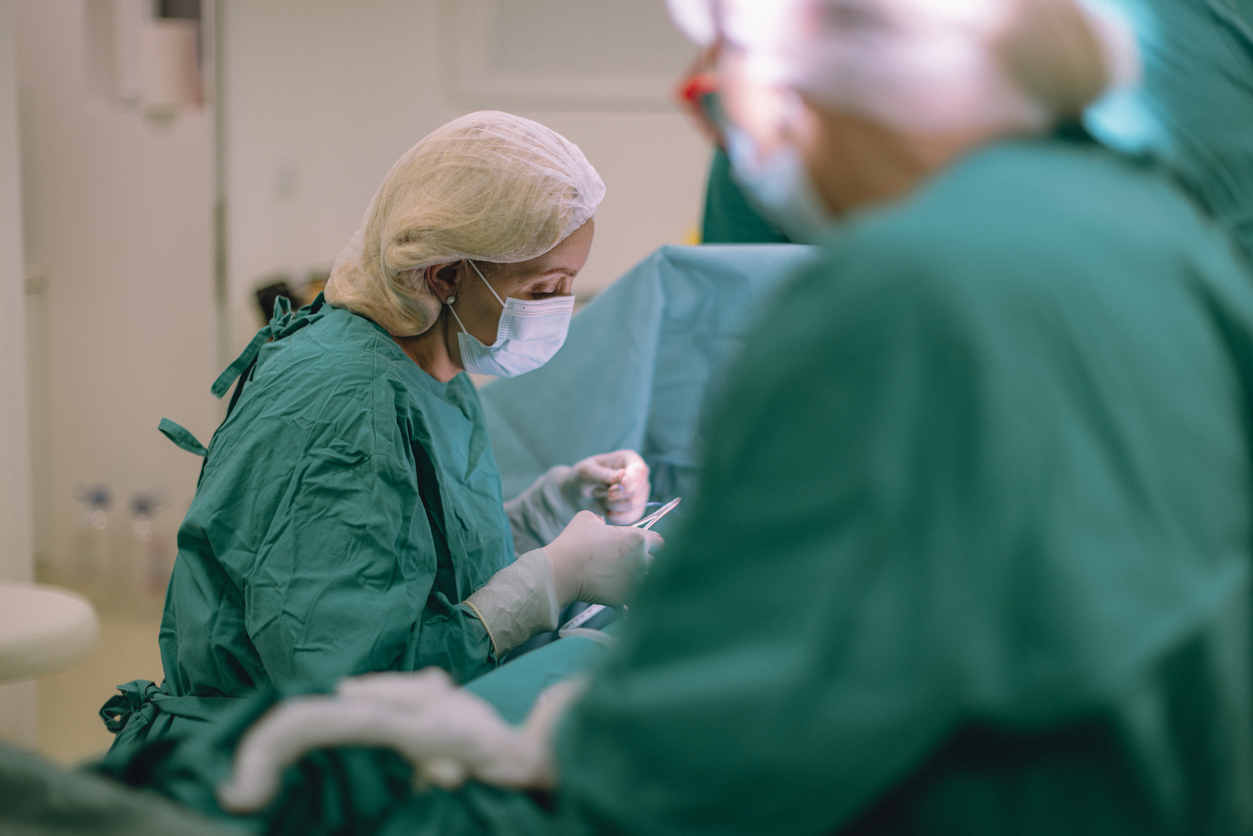
There are two main types of breast reconstruction. Breast reconstruction is sometimes done in multiple stages.
- Implant-based breast reconstruction – These involve silicone or saline implants to recreate the natural shape and feel of a breast. Implants are considered less invasive and can sometimes be completed during the same procedure to remove the original breast tissue.
- Autologous reconstruction – These involve using your own body tissue to recreate the natural shape and feel of a breast. This type of surgery is more involved and can have longer recovery time. The results may look and feel more natural, however.
In some cases, you may have been able to preserve the nipple and areola during surgery to remove part or all of the breast. This is called a “nipple-sparing mastectomy.” Following the mastectomy, the nipple and areola can often be restored as part of the breast reconstruction surgery. If the nipple and areola were removed along with the other breast tissue—for instance, if the cancerous breast tissue was too close to the nipple—there are additional options to recreate them.3 4 8
How do I decide if breast reconstruction is right for me?
Breast reconstruction is an optional procedure. Some people prefer to “go flat,” or to use a removable prosthesis that provides the appearance of a natural breast shape under clothing. There is no single solution.1 4
Some people may not be a good candidate for breast reconstruction. Certain chronic or immune conditions can create risks, as can smoking, having diabetes or being overweight. Circulatory issues (how well your blood moves through your body) can also impact your eligibility to get reconstructive surgery. You can talk with your provider about your options.
If you do decide to pursue reconstruction surgery, it’s important to consider what kind of procedure is right for you. For instance, because autologous reconstruction sometimes use tissue or muscle from elsewhere on your body, this could have an impact on athletic activities that use those muscles. Past surgeries could also complicate the ability to transplant tissue.3 Implants are not considered lifetime devices. You also need enough remaining muscle and/or skin to successfully cover the implant. With either procedure, you may not have much or any sensation in the reconstructed breast(s). Sometimes you can regain sensation over time. Breast reconstruction can create scarring. Scars often become less visible with time.2
Talk with your doctor and don’t hesitate to get a second opinion if you’re unsure.
How soon do I have to decide about breast reconstruction?
You do not need to decide right away about breast reconstruction surgery. While some people prefer to have it performed right away, you may want to wait. There is no single timeline that meets every patient’s needs.
Before getting a mastectomy, you can talk with your care team about what next steps you’d like to take. This includes not just what kinds of reconstruction options are available, but also what your surgical journey might look like. Some patients feel a single surgery is priority, while others would prefer to lessen the intensity of each surgery by going through a staged process. In some cases, you can receive implant reconstruction at the same time that you receive a mastectomy. There is no single right path, each patient’s journey looks different.
What are the risks of choosing breast reconstruction?
As with all surgeries, there can be risks to breast reconstruction. Please note this is not a full disclosure of all risks.
Scarring, infection, blood clots (especially with autologous reconstruction) or dissatisfaction with the final appearance of the reconstructed breast could all occur. Implants could rupture. In very rare instances, they could increase your risk of developing a second cancer.1 Autologous reconstruction could cause lasting pain and weakness in the area where the flap was removed from. There is also a risk of failure (if, for example, the transplanted “flap” dies).
Smoking, being significantly overweight or having diabetes can all increase your risk of complications. It may be recommended to quit smoking and/or lose weight before having the procedure. Previous surgeries or cancer treatments may impact recovery. Talk with your care team about these and other risk factors could increase the chance of complications.2 3
How are reconstructed breasts different from natural breasts?
Reconstructed breasts are designed to mimic the natural appearance of natural breasts. However, they may not exactly match what you had before. Loss of feeling is common in reconstructed breasts. The texture of the breasts may be different, although autologous reconstruction may feel more natural than implants. If you undergo mastectomy on only one breast, the reconstructed breast may not match your other breast. You can talk with your care team about surgical options to improve symmetry of your breasts.
If you were not able to retain your nipple and areola during your mastectomy, other nipple reconstruction options include skin grafts (taking skin from another part of your body). 3D tattoos can also mimic the appearance of an areola and/or nipple.3 4
What does recovery look like for breast reconstruction surgery?
Your healthcare provider will provide detailed information and instructions for recovery after surgery. Recovery time will vary from person to person, but usually takes weeks. You will likely spend at least a day in the hospital following the reconstruction procedure. Sometimes follow-up procedures are needed. These are done without a hospital stay.4 As you recover, it’s important to stick to gentle activities. If you notice any signs of infection, excessive pain or other indications that you are not healing as expected, contact a healthcare provider right away.3 Scarring is typical for breast reconstruction surgery. Scars may become less prominent with time.
See our note on common risks of breast reconstruction above and always discuss a detailed list of risks with your care team.
Are there new options for breast reconstruction?
Researchers are continuously investigating potential new and more effective treatments. For guidance on the best treatment options for you—and to determine if you may qualify for a clinical trial—please speak with your healthcare provider.
Sources:
1National Cancer Institute. National Institutes of Health. (Dec. 2, 2025). Breast Reconstruction After Mastectomy. https://www.cancer.gov/types/breast/treatment/surgery/breast-reconstruction
2American Cancer Society. (Sep. 19, 2022). Breast Reconstruction Surgery. https://www.cancer.org/cancer/types/breast-cancer/reconstruction-surgery.html
3Cleveland Clinic. (Sep. 27, 2021). Breast Reconstruction. https://my.clevelandclinic.org/health/treatments/16809-breast-reconstruction
4Susan G. Komen. (Jun. 10, 2025). Breast Reconstruction. https://www.komen.org/breast-cancer/treatment/type/surgery/breast-reconstruction/
5American Society of Plastic Surgeons. Breast Reconstruction: Know Your Post-Mastectomy Options. https://www.plasticsurgery.org/reconstructive-procedures/breast-reconstruction
6BreastCancer.org. (Nov. 5, 2025). Breast Reconstruction Surgery. https://www.breastcancer.org/treatment/surgery/breast-reconstruction
7American Cancer Society. (2019). Facts & Figures 2019-2020. https://www.cancer.org/content/dam/cancer-org/research/cancer-facts-and-statistics/breast-cancer-facts-and-figures/breast-cancer-facts-and-figures-2019-2020.pdf
8Katsuragi, Ryohei et al. (Dec. 11, 2024). Updates on Breast Reconstruction: Surgical Techniques, Challenges, and Future Directions. World Journal of Oncology 15 (6). https://wjon.elmerpub.com/wjon/article/view/2501
9World Health Organization. (Aug. 14, 2025). Breast cancer. https://www.who.int/news-room/fact-sheets/detail/breast-cancer