
Scroll to learn more
About Migraine
Recognizing Early Symptoms of Migraine
If you suffer from migraine, you might begin to recognize common signs that a migraine attack is beginning. The days or hours leading up to a migraine attack may involve changes in your mood or body. During this time, some people experience hunger or cravings for specific kinds of food. Others experience a range of intense feelings, from depression to extreme happiness. Increased thirst or urination can occur, as can fluid retention, constipation, and excessive fatigue.
Up to an hour before an attack sets in, some individuals get what’s called an “aura.” An aura often involves changes in sensory perception. You may see flashes of light or have temporary loss of sight. Some people experience numbness, weakness, or tingling like pins and needles. You could also feel confused or have trouble speaking.
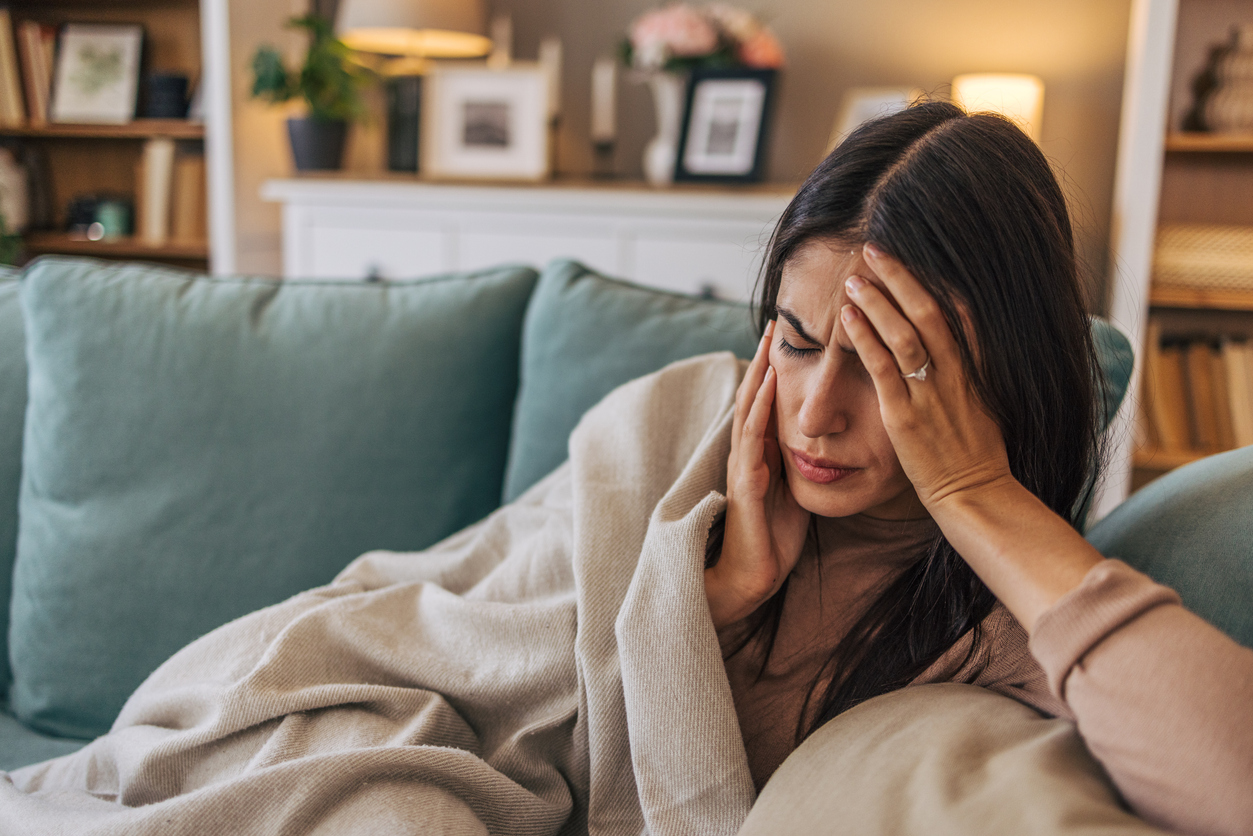
Once the migraine attack begins, pain tends to build gradually on one side of the head. It can be accompanied by nausea, mental “fog” or confusion, changes in vision, and sensitivity to light, sound, and touch.
Frequently Asked Questions About Migraine
What is migraine?
Migraine is a very common disease, affecting an estimated 12% of the global population.
While the meaning of migraine is commonly understood as a severe headache, it includes many types of symptoms. Some attacks may not fit the traditional “migraine definition,” because they don’t involve headaches. In addition to head pain, neurological symptoms such as nausea or vomiting and heightened sensitivity to light, sound, touch, and even smell can make it difficult to perform daily tasks. Migraine may also cause vision and mood changes, or interfere with concentration.
Both the symptoms and the frequency of migraine attacks can vary significantly from person to person. Some people may have migraine attacks only once or twice a year, while others experience them multiple times a week. Migraine is often classified as “episodic” (fewer than 15 headache days per month) or “chronic” (at least 15 headache days per month).
Although there is no cure for migraine, researchers are working to understand the causes for migraine, develop new treatments, and refine existing treatments to ease symptoms.
What are the impacts of migraine?
From 2010 to 2016, migraine ranked second globally in terms of years of life lived with disability.6 Migraine impairs people’s quality of life both during and between attacks, with impacts on their personal and professional lives. It can affect family relationships and full participation in family activities and can increase “family burden” (practical or psychological burdens when a family member has a serious illness). Migraine can also significantly impair your mental wellbeing. People with migraine tend to have higher rates of anxiety and/or depression compared to the general population.7
Because every migraine attack is disabling, the impact of migraine increases with the frequency of attacks.
What are the stages of migraine?
There are four commonly recognized stages of migraine: prodrome, aura, attack (sometimes called the “headache”), and postdrome. People may not experience all stages, or experience all stages the same way. Migraine attacks typically last four hours to six days.
Prodrome
Prior to the onset of the migraine attack, people may experience symptoms like changes in mood or sleep patterns, as well as fatigue and increased hunger and thirst.
Aura
Auras typically begin up to an hour before a migraine attack. Someone experiencing an aura may have vision disturbances, as well as increased sensitivity to light or touch. They could hear ringing in their ears or have a feeling of tingling or numbness in different parts of the body.
Attack/Headache
When a migraine attack sets in, throbbing pain tends to affect one side of the head. The headache may be accompanied by nausea or vomiting, as well as sensitivity to light, sound, smell, and touch. It is possible to have other symptoms of a migraine without a headache.
Postdrome
Following a migraine attack, it can take up to two days to feel normal. During this recovery period, you may continue to feel exhausted, nauseated, dizzy, or distracted.
How is migraine diagnosed?
Most people with migraine do not get an accurate or timely diagnosis, which delays access to preventive treatment. This can result in increased disability, reduced quality of life, an increased risk that the disease gets worse, and significant socioeconomic impact.
If you suspect you suffer from migraine, your healthcare provider will ask about your symptoms and conduct physical and neurological exams. Because genetics can play a role, they will likely ask about your family history. Your provider may also order other tests to rule out alternative diagnoses.
What are migraine triggers?
Migraine triggers will vary from person to person. If you suffer from frequent attacks, your provider may have you keep a journal to track symptoms and identify patterns. Common triggers include:
- Stress (mental and physical)
- Poor sleep hygiene
- Hormone fluctuations (e.g., menstrual cycles, pregnancy)
- Inconsistent eating habits (or eating certain foods)
- Substances such as alcohol, caffeine, or tobacco, or certain medications
- Sudden stimuli such as loud noises, flashing lights, or strong odors or fumes
- Sudden changes in the weather
- Motion sickness
While some triggers can’t be easily avoided, knowing your common triggers can help to manage your exposure.
What are risk factors for migraine?
Multiple factors can increase your risk for migraine. Migraine affects women more than men and can be linked to hormonal changes in women, including migraine attacks linked to the menstrual cycle. While migraine attacks can occur at any age, they often begin during adolescence and lessen after menopause. Migraine also tends to run in families, meaning you are more likely to have it if other family members do as well.
What resources are available to support people with migraine?
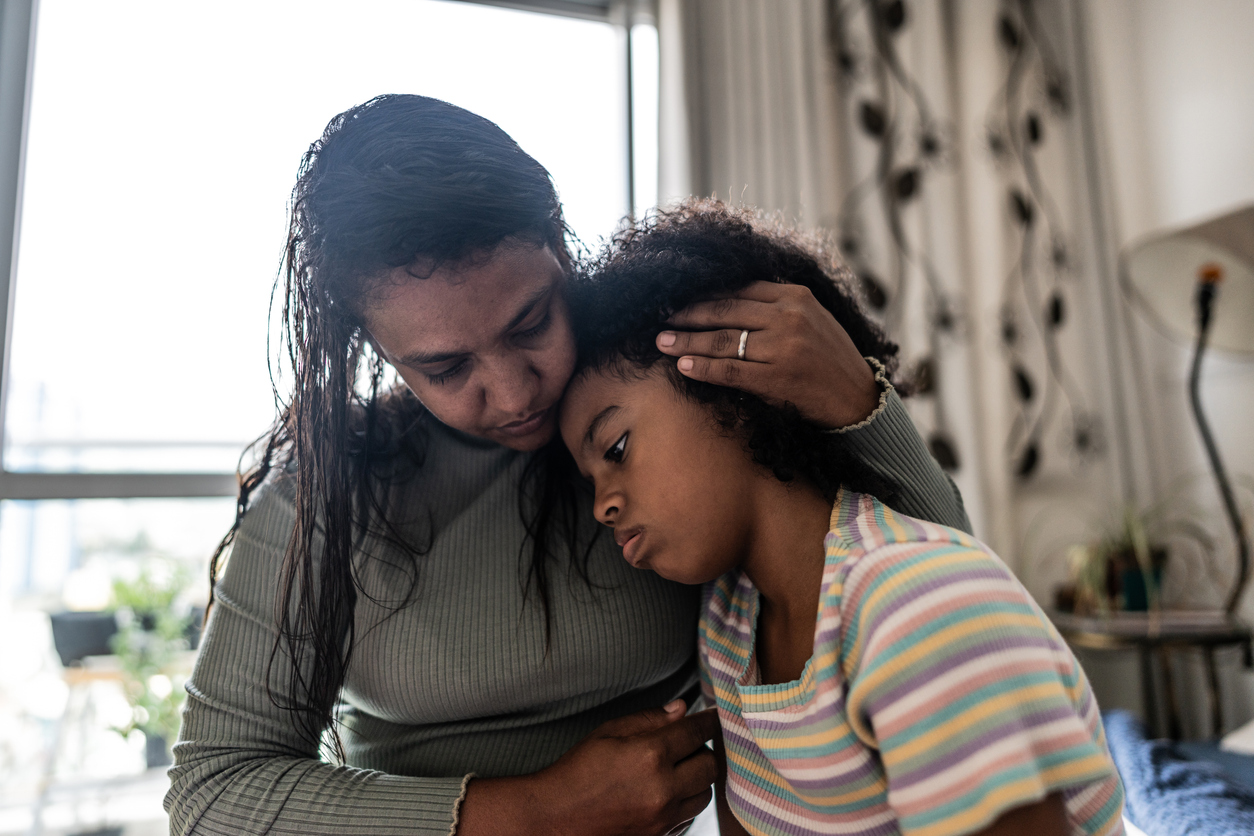
Migraines are often poorly understood as “bad headaches,” which can make it hard to explain how significantly they can affect daily life. If someone in your life has migraine, taking time to talk with them about their symptoms, triggers, and treatments can help you better support them. This might include facilitating daily routines, exercise, and diet that can help reduce migraine attacks.
During an attack, knowing any medication or non-medical strategies they rely on can be helpful, even if it’s as simple as closing the blinds to reduce light. Most importantly, taking migraine seriously and being flexible about its impact on plans, routines, and work life can help you support partners, family members, or friends with migraine.4
Are there new treatments for migraine?
Researchers are continuously investigating potential new and more effective treatments. For guidance on the best treatment options for you—and to determine if you may qualify for a clinical trial—please speak with your healthcare provider.
Sources:
1National Institute of Neurological Disorders and Stroke. (Jan. 31, 2025). Migraine. National Institutes of Health. https://www.ninds.nih.gov/health-information/disorders/migraine
2Mayo Foundation for Medical Education and Research. (Jul. 8, 2025). Migraine. https://www.mayoclinic.org/diseases-conditions/migraine-headache/symptoms-causes/syc-20360201
3Cleveland Clinic. (Jan. 23, 2024). Migraine headaches. https://my.clevelandclinic.org/health/diseases/5005-migraine-headaches
4American Migraine Foundation. (Feb. 5, 2020). How to best support someone with migraine. https://americanmigrainefoundation.org/resource-library/support-someone-with-migraine/
5Hepp, Z. et al. (2015). Adherence to oral migraine-preventive medications among patients with chronic migraine. Cephalalgia, 35 (6). https://doi.org/10.1177/0333102414547138
6GBD 2016 Headache Collaborators. (2018). Global, regional, and national burden of migraine and tension-type headache, 1990-2016: A systematic analysis for the Global Burden of Disease Study 2016. The Lancet Neurology, 17 (11). https://doi.org/10.1016/S1474-4422(18)30322-3
7Lampl, C., et al. (2016). Headache, depression and anxiety: Associations in the Eurolight project. The Journal of Headache and Pain, 17 (59). https://doi.org/10.1186/s10194-016-0649-2