

Scroll to learn more
About Depression
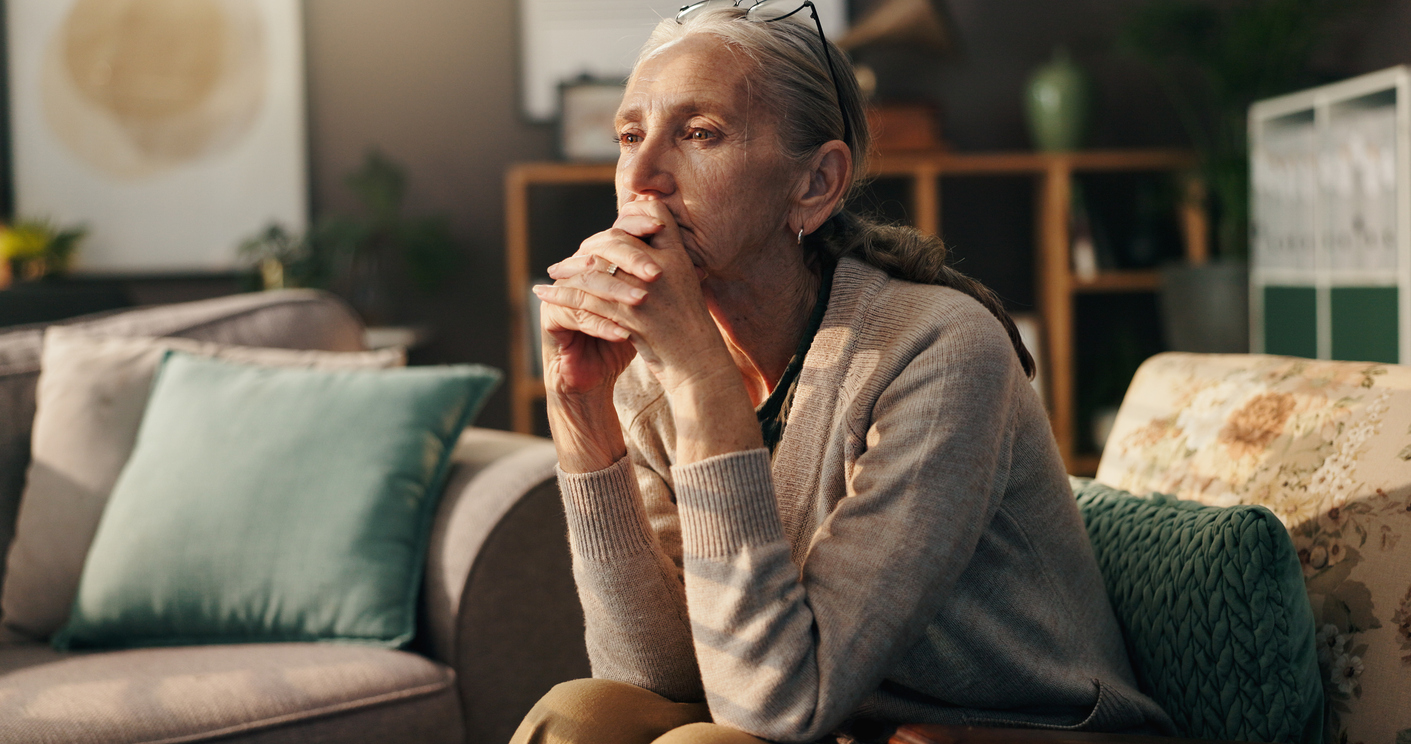
Recognizing Early Symptoms of Depression
Depression symptoms typically fall into three different categories: psychological, physical, and social. The following symptoms are common symptoms to look for in depressed individuals:
Psychological
- Persistent low mood or sadness
- Feelings of hopelessness
- Low self-esteem
- Feeling guilty
- Consistent irritability and intolerance of others
- Having no motivation or interest in activities you enjoy
- Not finding enjoyment from life
- Feeling anxious and/or worried
- Suicidal thoughts
Physical
- Moving or speaking more slowly than usual
- Appetite changes
- Lack of energy
- Constipation
- Low sex drive
- Disturbed sleep
Social
- Avoiding contact with friends or family
- Neglecting to participate in hobbies or interests
- Having difficulty concentrating on work or family life
Since there are a wide variety of symptoms of depression, it can be difficult to objectively diagnose. However, if you experience extended periods of hopelessness and begin losing interest in hobbies that you love, this could be an indicator that you are depressed. Additionally, if you are consistently feeling tired and experience changes in appetite or sex drive, these could be indicators of depression as well. Overall, if you are experiencing symptoms which indicate that you may be depressed, you should discuss this with your healthcare provider.2
Frequently Asked Questions About Depression
What is depression?
Depression is a mental illness that involves persistent feelings of unhappiness, hopelessness, lack of motivation, and lack of fulfillment in daily activities, exacting a negative impact on your life. Typically, people with depression experience long periods, weeks or months, of depressed feelings rather than just a few days.3
How can I differentiate depression from sadness?
Sadness and depression are two very different things that often get confused. Sadness is a normal emotional response that occurs from a difficult experience that a person must endure. For example, sadness can occur after the death of a loved one or loss of a job. It would be normal to have feelings of sadness after an event like this.
Depression involves a prolonged and persistent feeling of decreased mood, worthlessness, or self-loathing. For example, someone who is depressed may express thoughts about ending one’s life due to losing a loved one as they may feel they are unable to cope with the pain of their depression. Often times, depression involves a lack of interest of pleasure in doing typical daily tasks or activities over a prolonged period of time.
Physicians or study doctors can and should evaluate whether depressive symptoms are due to major depressive disorder, or whether the symptoms are caused by normal feelings of sadness, as that determination can guide you.5
What are the causes of depression?
The exact cause of depression is unknown and doesn’t always have an easily identifiable cause or stressor from your life. However, research has identified some factors that have been correlated with developing depression, which include4:
- Brain chemistry
- Genetics
- Stressful or traumatic life events
Who is at risk of depression?
Depression impacts children and adults. Certain risk factors will increase your chance of developing depression. A family history of depression might mean you are more likely to have depression at some point in your life. The level of certain chemicals in your brain, such as serotonin and dopamine, could play a role. If you are prone to feelings of stress and pessimism, or have had difficult things happen to you and around you, this could increase your risk of depression.1
Some conditions also have an increased risk of depression, including neurodegenerative disease such as Alzheimer’s or Parkinson’s, chronic pain, cancer and multiple sclerosis. It is important to note that while individuals with these medical conditions have an increased risk for depression, it does not mean that these conditions will cause depression. Additionally, certain medications and recreational drugs can cause depressive symptoms.4
What are the risks of untreated depression?
Untreated depression is a serious problem as it can lead to numerous unhealthy/dangerous behaviors. Often, untreated cases of depression result in increased prevalence of risky behavior such as drug or alcohol addiction, problems at work and damaged relationships. Untreated depression will impact your body, mood and thoughts by altering natural bodily processes, and may lead to many unhealthy lifestyle habits.6
Common memory loss testing includes mental status testing, neuropsychological tests, and interviews with family and friends. Mental status testing focuses on your thinking ability and memory to understand the degree of cognitive impairment. Scores on these tests can also be compared to future test scores to understand the level of disease progression over time. Neuropsychological tests involve deeper testing of cognitive ability, where a healthcare professional may test an individual’s ability to take medications as scheduled or manage finances. Lastly, interviews with family and friends allow healthcare professionals to understand whether the degree of cognitive impairment is noticeable to your peers and in what capacity.8
How is depression diagnosed?
Healthcare professionals typically use a mixture of the following methods to diagnose depression7:
- Physical exam: in a physical exam, a doctor would ask questions about your health and recent behaviors.
- Lab tests: a doctor may conduct a blood test to measure complete blood count or thyroid to make sure it is functioning properly.
- Psychiatric evaluation: a doctor may ask about common symptoms, thoughts, feelings, or behavior patterns to better understand how your mood is impacting your life.
- DSM-5: a doctor will typically use the criteria listed in the DSM-5, which is a manual that was published by the American Psychiatric Association, to assess your depression symptoms.
How are depression symptoms managed?
For most people, depression is managed through medication and/or psychotherapy. After a healthcare provider offers a diagnosis, the exact management strategy will be determined based on the severity of symptoms and personal preference for treatment.7
What are the different types of depression?
The American Psychiatric Association categorizes depression into 5 categories4:
- Clinical depression (major depressive disorder): a diagnosis of clinical depression means that you have felt low, worthless, or sad for most days during a two-week period, while also experiencing other symptoms like a lack of sleep, loss of interest in activities, or a change in appetite.
- Persistent depressive disorder (PDD): PDD is characterized by mild or moderate depression that is present for at least two years and typically includes symptoms that are less severe than clinical depression.
- Disruptive mood dysregulation disorder (DMDD): DMDD involves chronic and intense irritability that is accompanied by frequent anger outbursts in children.
- Premenstrual dysphoric disorder (PMDD): patient with PMDD have premenstrual syndrome (PMS) symptoms that are accompanied by extreme irritability, anxiety, or depression.
- Depressive disorder due to another medical condition: some medical conditions can cause changes in your body that lead to depression. Some examples include hypothyroidism, heart disease, or cancer.
What is treatment-resistant depression?
Treatment-resistant depression is a type of depression characterized by a lack of symptom improvement for a patient who has been diagnosed with depression and treated with antidepressants. This can be a worrisome type of depression as a lack of response to treatment can be frustrating to some patients and cause symptoms of depression to worsen if they become hopeless about treatment not working. However, there are other treatment strategies that can be explored, and you should discuss these options with your healthcare provider if you find that antidepressants are not working for you.8
Are there new treatments for depression?
Researchers are continuously investigating potential new and more effective treatments. For guidance on the best treatment options for you—and to determine if you may qualify for a clinical trial—please speak with your healthcare provider.
Sources:
1American Psychiatric Association. (n.d.). What is depression? https://www.psychiatry.org/patients-families/depression/what-is-depression
2National Health Service. (n.d.). Depression in adults: Symptoms. https://www.nhs.uk/mental-health/conditions/depression-in-adults/symptoms/
3National Health Service. (n.d.). Depression in adults: Overview. https://www.nhs.uk/mental-health/conditions/depression-in-adults/overview/
4Cleveland Clinic. (n.d.). Depression. https://my.clevelandclinic.org/health/diseases/9290-depression
5American Psychiatric Association. (n.d.). What is depression? — Section 7. https://www.psychiatry.org/patients-families/depression/what-is-depression#section_7
6WebMD. (n.d.). Untreated depression: Effects. https://www.webmd.com/depression/untreated-depression-effects
7Mayo Clinic. (n.d.). Depression: Diagnosis & treatment. https://www.mayoclinic.org/diseases-conditions/depression/diagnosis-treatment/drc-20356013
8Mayo Clinic. (n.d.). Treatment-resistant depression. https://www.mayoclinic.org/diseases-conditions/depression/in-depth/treatment-resistant-depression/art-20044324